
Compare Local Contractors for Solar Installation Success
Compare local contractors for solar installation to define project scope, verify experience, and set clear expectations in writing for a successful job.
Solar installation contractors typically handle a range of services related to designing, planning, and physically installing solar energy systems on residential or commercial properties. Their work often includes assessing the property’s suitability for solar, designing system layouts, obtaining necessary permits, and installing panels, wiring, and inverters. While some contractors focus primarily on the physical installation, others may also offer assistance with system design, electrical connections, and integration with existing power systems. Understanding the scope of work can help property owners ensure that all necessary aspects of the project are covered and that the installation aligns with their energy goals.
Defining the scope of a solar installation project is essential for clear communication and setting realistic expectations. Property owners should work with local contractors to specify exactly what services are included, such as site assessment, system design, installation, and post-installation support. Establishing these details in writing helps prevent misunderstandings and ensures that both parties agree on the work to be performed. A well-defined scope also allows property owners to compare proposals more effectively, ensuring that each contractor’s offerings match their specific needs and project requirements.
When comparing local contractors for solar installation, it is important to verify their experience and track record with similar projects. Property owners can review the types of systems previously installed, ask about the contractors’ familiarity with local regulations, and seek references or testimonials from past clients. Additionally, evaluating how each contractor approaches project scope, communication, and documentation can provide insight into their professionalism and reliability. By gathering this information and clearly outlining project expectations in writing, property owners can make more informed decisions and select service providers capable of delivering quality solar installation work tailored to their property’s unique characteristics.
Compare local contractors by outlining project priorities, verifying experience, and setting clear expectations in writing.
- Compare Contractor Credentials - Review the experience and credentials of local contractors to ensure they meet project requirements.
- Define Project Scope Clearly - Establish and document the specific work and expectations before starting the project.
- Verify Experience and Past Work - Request references or examples of previous solar installation projects to assess contractor expertise.
- Set Written Agreements - Ensure all project details, responsibilities, and expectations are documented in a formal agreement.
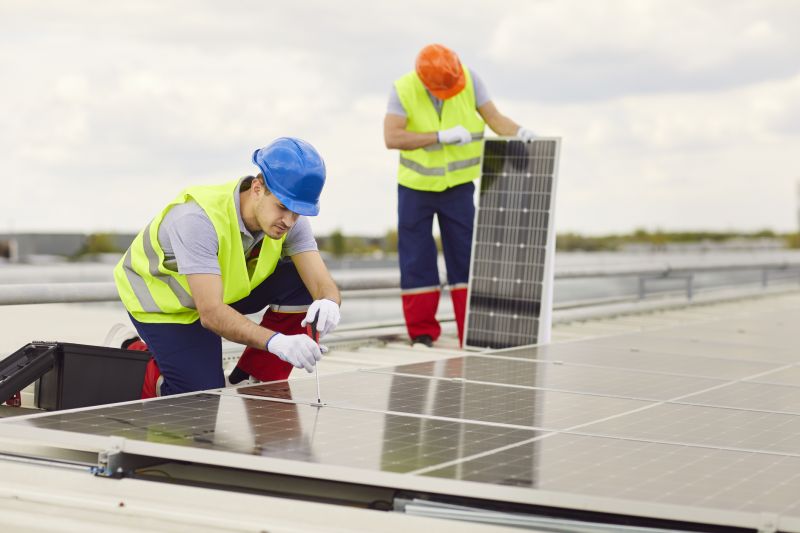
Before comparing contractors, clearly define your solar project scope and verify their experience in installation.
- Verify experience and references of local contractors with solar installation projects similar to the scope of work. - Ensure service providers clearly outline the specific tasks included in the installation process.
- Compare the scope of work and materials to ensure all project requirements are addressed in writing. - Look for detailed proposals that specify equipment, installation methods, and warranties.
- Assess the contractor’s understanding of site-specific considerations that may impact installation. - Confirm they evaluate factors such as roof type, shading, and structural integrity.
- Check that the project scope and responsibilities are documented in a formal agreement or contract. - Make sure all expectations, deliverables, and responsibilities are clearly outlined.
- Ensure the contractor provides a detailed plan for the installation process and any necessary permits. - Confirm they include steps for site assessment, installation, and inspection procedures.
- Review the contractor’s communication and responsiveness during the comparison process to gauge professionalism. - Look for clear, prompt, and thorough responses to inquiries about the project scope.
Use this as a starting point to compare contractors, clarify your project scope, and verify experience.

Use consistent scope definitions across local contractors to accurately compare their experience and set clear expectations.
- Project Scope Definition - Clearly outline the specific tasks and responsibilities involved in the solar installation project.
- Site Assessment Requirements - Determine what site conditions and measurements need to be evaluated prior to installation.
- Design and System Specifications - Specify the desired system size, layout, and technical components to be included.
- Experience and Expertise - Verify the relevant experience and project history of local contractors handling solar installations.
- Written Agreement Expectations - Ensure all scope details, responsibilities, and project parameters are documented in a formal agreement.
When evaluating contractors for solar installation, it is essential to consider their experience with similar projects. Homeowners should inquire about the types of systems they have installed and the complexity of past work to gauge their familiarity with the process. A contractor with a proven track record in projects comparable in size and scope can often provide insights into potential challenges and solutions, helping to set realistic expectations for the installation process.
A clear, written scope of work is crucial for ensuring that both parties are aligned on the project's details. Homeowners should seek service providers who can provide a comprehensive description of the work to be performed, including the equipment to be installed, the steps involved, and the responsibilities of each party. Having this information in writing helps prevent misunderstandings and provides a reference point throughout the project, fostering transparency and accountability.
Verification basics involve confirming that the contractor has the necessary experience and a history of completing similar projects successfully. Homeowners can ask for references or examples of completed installations, and verify that the contractor is familiar with local building codes and regulations. Ensuring that the service provider’s background aligns with the project’s requirements helps build confidence in their capability to deliver a quality installation that meets expectations.
When comparing options, it is important to evaluate the qualifications and approach of each service provider without focusing solely on pricing. Homeowners should assess how each contractor plans to approach the project, their level of detail in the scope, and their communication style. Asking for detailed proposals and clarifying the scope of work allows for a thorough comparison of how each contractor intends to handle the installation, making it easier to identify the best match based on experience, clarity, and professionalism.
Ask contractors to provide written scope details to ensure clear, consistent expectations throughout the solar installation process.
- Scope of Work - what specific tasks and responsibilities will the contractor include in the solar installation project?
- Experience and Expertise - how long has the contractor been performing solar installations and what types of systems have they installed?
- Materials and Equipment - what brands and quality standards do the contractor’s recommended equipment and materials meet?
- Project Deliverables - how will the contractor define and document the expected outcomes and project requirements in writing?
- Comparison Criteria - what factors should be considered when evaluating different service providers beyond pricing and timelines?
How can I compare different contractors for solar installation? To compare contractors, review their experience, check references or reviews, and ensure they clearly define the scope of work in writing. This helps ensure transparency and aligns expectations.
What should I look for when verifying a contractor’s experience? Look for contractors with a proven track record in solar installations similar to your project, and request details about their past work to assess their expertise.
Why is it important to define the scope of work in writing? Having a detailed, written scope helps prevent misunderstandings, sets clear expectations, and provides a reference for project completion and responsibilities.
How can I ensure a contractor understands my project needs? Clearly communicate your goals and requirements, and ask the contractor to confirm their understanding in writing to ensure alignment before work begins.
What questions should I ask a contractor before hiring for solar installation? Ask about their experience, the process they follow, how they handle permits, and how they will document the scope and expectations for the project.
How important is a written agreement with a contractor? A written agreement is essential to outline the scope, responsibilities, and expectations, helping to prevent disputes and ensure clarity throughout the project.
Understanding the key aspects of solar installation contractors can help ensure the project meets expectations. Visitors have learned how to compare different service providers, define the scope of work, verify their experience, and set clear expectations in writing. This approach helps facilitate a smooth process and informed decision-making when selecting a contractor for solar installation needs.
To find the right service provider, use the quote form to explore local contractors who can handle the job. Comparing options side by side allows for a better understanding of each contractor’s offerings and helps identify the best match for specific project requirements. Taking these steps can lead to a more confident choice in connecting with experienced local service providers.